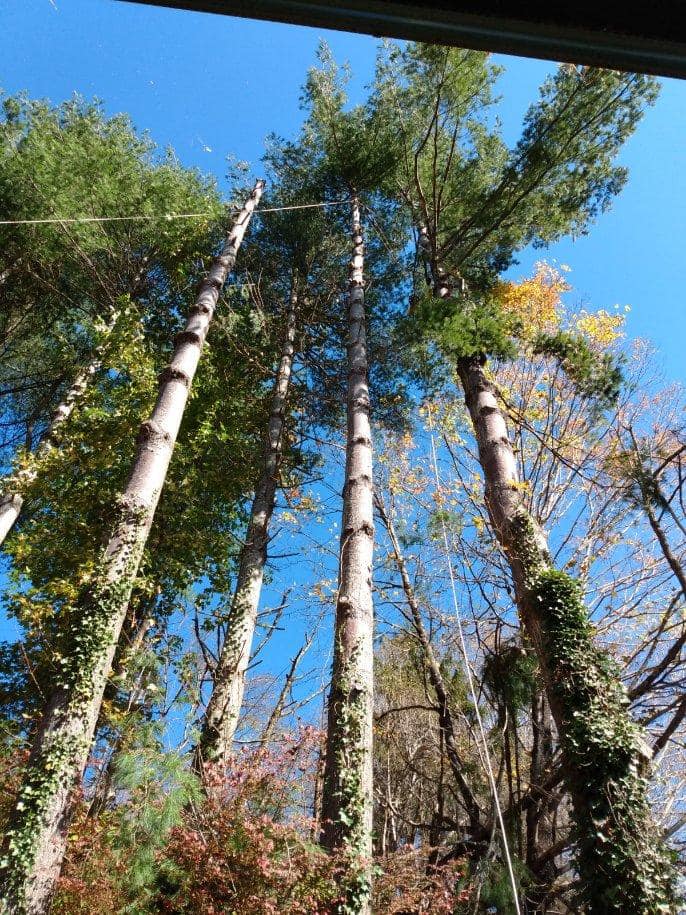
The Influence of Climate on Tree Growth: Understanding Regional Differences May 27, 2026
Trees respond to a variety of climatic factors, such as temperature, rainfall, and seasonal changes. Each of these elements affects their growth in unique ways. In regions with distinct seasons -- such as the northeastern United States -- trees must adapt to cold winters and warm summers. This results in cyclical growth patterns where tree growth slows or stops during cold months and resumes when temperatures rise. In contrast, in areas with a more uniform climate, like the Pacific Northwest, trees may experience more continuous growth due to mild temperatures and regular rainfall.
One of the primary climatic influences on trees is temperature. Trees in colder regions often grow slower due to shorter growing seasons. In these areas, deciduous trees prevail, shedding their leaves during winter to conserve energy and water. Conversely, in warmer climates, such as the southeastern United States, trees can experience longer growing seasons, allowing for more significant annual growth. The consistency of warm temperatures also allows evergreen species, which retain their foliage year-round, to thrive.
Rainfall is another critical factor. Adequate water supply is crucial for trees, especially during their growing season. In arid or semi-arid regions, such as the southwestern United States, trees often face the challenge of limited water availability. These areas support species that have adapted to conserve water, such as desert trees with deep roots or small leaves. In contrast, regions with abundant rainfall provide optimal conditions for lush, dense forest growth.
Regional differences in climate also influence tree species diversity. For instance, the Midwest's humid continental climate supports a diverse mix of deciduous trees like oaks and maples, while Florida’s humid subtropical climate favors evergreen species like pines and cypresses. Each region's unique climate conditions have shaped their respective forests over time, creating specialized biodiversity.
For tree care professionals, understanding these regional climatic influences is fundamental to providing effective tree services. At Ground To Sky Tree Care, we tailor our approach to accommodate the specific environmental conditions of our clients' locations, ensuring optimal health and growth for their trees. Whether it's selecting the right species for a new planting, providing seasonal maintenance, or diagnosing climate-related health issues, our expertise in how climate impacts tree growth enables us to serve our clients effectively.
In conclusion, being aware of how climate affects tree growth enhances our ability to care for and appreciate these magnificent plants. By considering the regional differences in climate, Ground To Sky Tree Care can offer insightful advice and quality service, helping trees thrive in their specific environments. As we continue to face an evolving climate, this knowledge becomes even more valuable, empowering us to make decisions that support both tree health and environmental sustainability. By understanding these nuances, we can foster healthier, more resilient urban and natural forests.
/filters:no_upscale()/filters:format(webp)/media/1b8bad14-628c-4309-8521-fbd8258c3ece.jpeg)