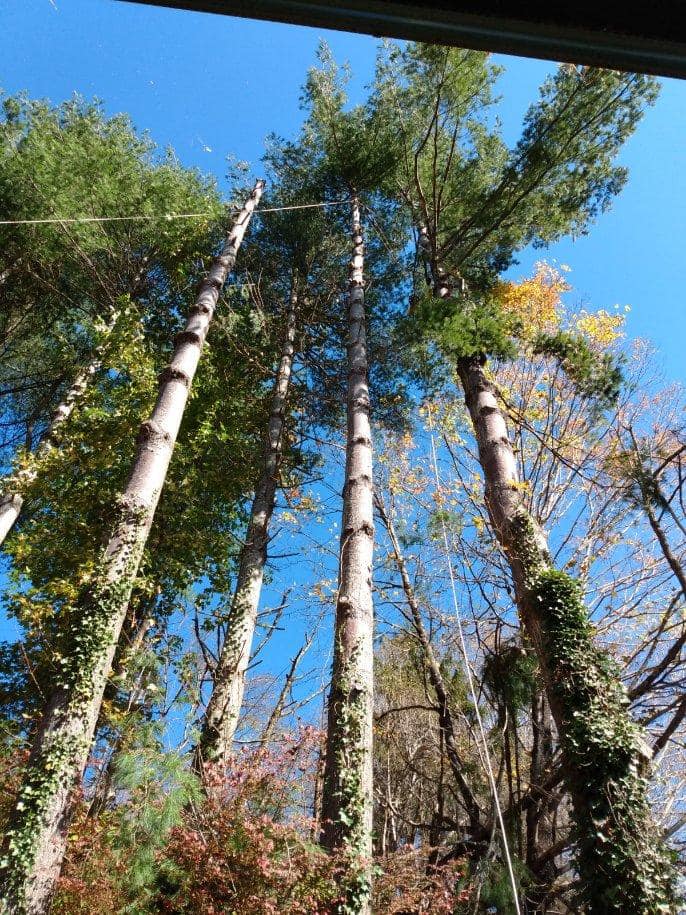
The Art and Science of Tree Spacing: Maximizing Growth and Maintaining Harmony Jul 08, 2026
To begin with, it is crucial to consider the mature size of the trees you plan to plant. Small, medium, and large trees have different spacing requirements. For example, small trees, such as dogwood or redbud, may only need spacing of 10 to 15 feet between them, while large oak or maple trees could require spaces of 40 to 50 feet. Proper spacing prevents overcrowding, thus reducing competition for essential resources such as sunlight, water, and nutrients. This promotes healthier growth and maximizes the life span of your trees.
Each species of tree has unique growth patterns and root structures that should be considered. Trees with extensive root systems need more space to allow their roots to spread without interference from neighboring plants. This also decreases the likelihood of root-related issues such as girdling, where roots encircle the tree trunk, potentially strangling the tree over time. Consulting with Ground To Sky Tree Care professionals can aid in selecting the right species for your space and ensuring appropriate spacing.
Environment plays a significant role in determining tree spacing. Urban environments often require more precise spacing due to limited space and potential conflicts with infrastructure. In suburban or rural areas, more generous spacing may be possible, allowing for diverse planting that can support local wildlife and contribute to a balanced ecosystem.
One often overlooked but vital factor is future maintenance. Trees planted too close together can create challenges for pruning, watering, and pest management. Adequate spacing not only simplifies maintenance tasks but also reduces the risk of disease transmission between closely planted trees. Furthermore, well-spaced trees create a safer environment by preventing branches from interfering with structures such as power lines or rooftops.
Incorporating aesthetic considerations into tree spacing plans can also enhance the harmony of your landscape. Symmetrical arrangements, staggered patterns, or naturally clustered groupings can bring visual interest and balance to your design. Consider your landscape's existing elements and how tree placements will complement them in terms of both spacing and size.
To wrap it up, the art and science of tree spacing is a crucial element in landscape planning that requires careful consideration of species characteristics, environmental conditions, and ongoing maintenance needs. By focusing on these aspects, you can create a vibrant landscape that supports optimal tree growth while maintaining harmony with its surroundings. For expert guidance and services tailored to your specific needs, Ground To Sky Tree Care is here to help. Our professionals bring years of experience and knowledge to ensure your tree planting projects succeed from ground to sky.
/filters:no_upscale()/filters:format(webp)/media/1b8bad14-628c-4309-8521-fbd8258c3ece.jpeg)