Recognizing and Managing Invasive Species in Your Local Environment Dec 26, 2025
Invasive species are plants, animals, or pathogens that are non-native to an ecosystem and cause harm. Their introduction often leads to ecological imbalance, as they can outcompete native species for resources, alter habitats, and disrupt food chains. For homeowners, this can result in the deterioration of landscape health and increased maintenance costs.
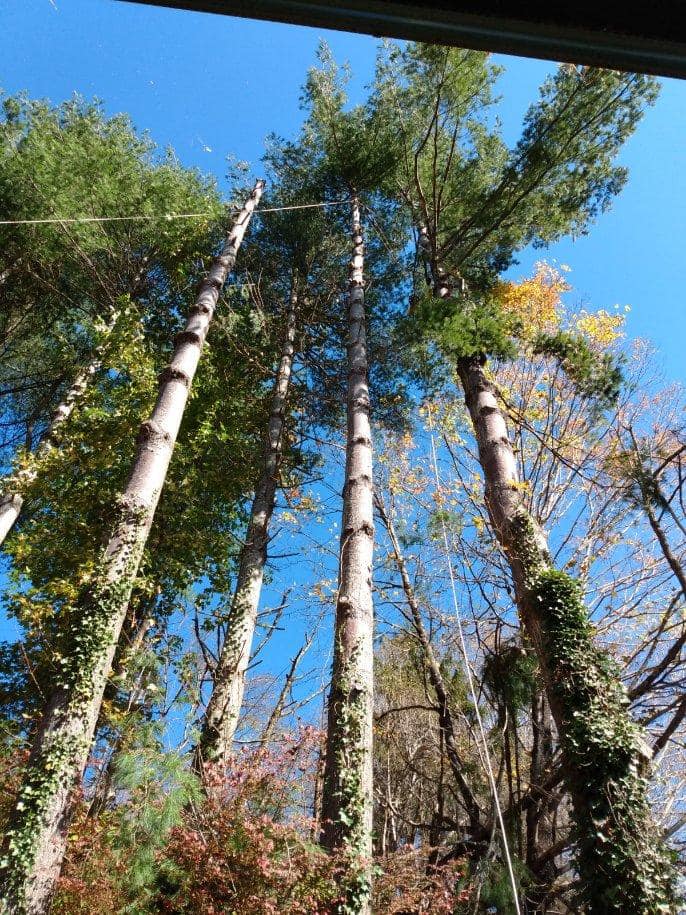
The first step in managing invasive species is recognizing their presence. Some of the most common invasive plant species include kudzu, Japanese knotweed, and English ivy. These plants are known for their aggressive growth patterns and ability to dominate vast areas quickly. For instance, kudzu can cover entire hillsides, smothering native plants beneath its leaves. Inspect your property regularly for these and other invasive plants, focusing on areas along property lines, near water bodies, and in less managed sections of your garden.
Once you have identified invasive species, quick action is necessary. Begin by researching the specific plant or animal to understand its growth and spread patterns. For plant invasives, physical removal is often the most effective control method. Hand-pulling smaller outbreaks can prevent them from spreading, but it is essential to remove the roots completely to avoid regrowth. For larger infestations, you might consider hiring professional services like those offered by Ground To Sky Tree Care. We have expertise in safely and effectively managing invasive species to restore ecological balance.
In some cases, chemical control may be necessary, especially for stubborn species like Japanese knotweed. Herbicides can be effective, but they should be used judiciously to prevent damage to surrounding native vegetation. If you choose to apply herbicides, follow the label instructions precisely and consider consulting an expert to determine the best approach for your specific situation.
Beyond eradication, preventing the introduction and spread of invasive species is vital. Start by selecting native plants for your landscaping. Native species are better adapted to local conditions and provide essential habitats for wildlife. Additionally, remain vigilant about cleaning equipment and footwear after visiting natural areas to avoid inadvertently transporting invasive seeds. If you enjoy outdoor activities, consider brushing off your clothes and gear before returning home.
Community engagement also plays a significant role in the successful management of invasive species. Join local conservation groups or participate in community clean-up days to stay informed and contribute to broader ecological initiatives. Education is key; sharing information with neighbors can create a unified effort in protecting local environments.
In conclusion, invasive species pose a significant threat to both the natural environment and landscaped areas. Recognizing, managing, and preventing these species' spread requires diligence and informed actions. With the right strategies and community involvement, you can protect your property and contribute to the preservation of local ecosystems. Ground To Sky Tree Care is here to assist with expert advice and services that ensure your green space thrives amidst these challenges.
/filters:no_upscale()/filters:format(webp)/media/1b8bad14-628c-4309-8521-fbd8258c3ece.jpeg)